What Does a Midwife Do? Understanding the Role of Midwives
- Jan 6th, 2026



If you're pregnant and exploring your care options, you may be wondering: What exactly does a midwife do? How is midwifery different from traditional obstetric care? In this post I try to break this down for you — from prenatal visits to birth support and beyond. I am a certified nurse midwife with over a decade of experience. I currently offer midwifery care in the home and homebirth, but I have worked in different settings such as hospitals and birth centers, and can offer you insight into these as well. With this post my goal is to educate about the role of midwives in general and how they are different from traditional obstetric care. A midwife is a trained health care professional who specializes in pregnancy, childbirth, and postpartum care. There are different types of education programs for midwives and those can differ from state to state. When interviewing midwives you should ask about their education and experience to learn about the pathway that they took. This may differ greatly from midwife to midwife depending on the educational program or certification she went through. As a certified nurse midwife, I was a registered nurse first with my BSN. I then got my Masters degree in Nurse Midwifery. My training was mainly in the hospital setting throughout my degree but towards the end and after graduation, I continued my training and exposure to out of hospital births. As I mentioned before, it's been a little over a decade now that I've been a practicing midwife. AMCB (American Midwifery Certification Board) is the governing body that certifies nurse midwifery candidates who received graduate level education. In each state there is a governing body that maintains licensure for each profession. In California, that is the Board of Registered Nursing (BRN). Other types of midwives are licensed midwives in CA, who undergo midwifery education that include didactic and clinical experience, but are not related to any nursing programs. They are governed by the California Medical Board. Midwives provide care across the reproductive lifespan, from adolescent health and family planning to pregnancy, birth, and postpartum support. CNMs can also provide GYN care. They are qualified to monitor pregnancies, order and interpret lab tests, prescribe medications, and support labor, birth and postpartum. Midwives prioritize relationship-based care. This means they spend time understanding your health history, your pregnancy goals, your fears, and your preferences — not just your blood pressure and lab numbers. During prenatal visits with a midwife you can expect: Midwives have longer visits than traditional prenatal care, and this allows for more comprehensive education and individual attention and customization of care. A key part of midwifery care is education. Midwives help you understand your options — from prenatal testing to comfort measures during labor and support in your postpartum period — so you can make informed choices about your care. That's why your care may look different from another person who's receiving care at the same stage of pregnancy that you are, all under the guidance of the evidence. Informed choice though is not only about the evidence but also considers your desires, fears and life experiences. They support natural processes while remaining vigilant for any signs that medical interventions, referrals may be needed or additional testing may be necessary. In hospital settings, midwives work alongside obstetricians and other specialists when necessary. Depending on the practice you get your care with midwives, you'll notice that with most you get more than just the one 6 weeks postpartum check up, that clears you for work, having sex again or makes sure you're up to date with you PAP. Yes they do give you a form to fill out about your mental health but a lot of times, your mental health status stays there without the appropriate follow up. Midwives will have a minimum 2 visits and they will go up to 4 or 5 visits in a 6-12 weeks period postpartum. Some may help with lactation, most have a lot of providers that they can refer to such as pelvic floor PT's to Chiropractors and mental health specialists. As stated before, education is key! The postpartum period is not given the appropriate attention it deserves. Only after the baby's arrival, do the families realize how much support they truly need, and that's where your midwife comes in. She can facilitate all this, help you understand what's going on and then offer you the support you need or refer you to whoever will be better qualified to do so. In my practice, I offer 24-48 hour initial PP visit and then 4 additional visits at a schedule that is fitted to each client's needs in the span 8-10 weeks postpartum. I will cover a lot of education and location support and also newborn care, especially for the first time parents in my care. This is truly a very special time because I get to witness the growth of each family. Patient-Centered and Time-Rich Lower Intervention Rates Continuity of Support Midwifery care is an excellent choice for many people with expected low-risk pregnancies who value: Even if you ultimately choose obstetric-led care, understanding midwifery can help you make an informed decision about your prenatal journey.
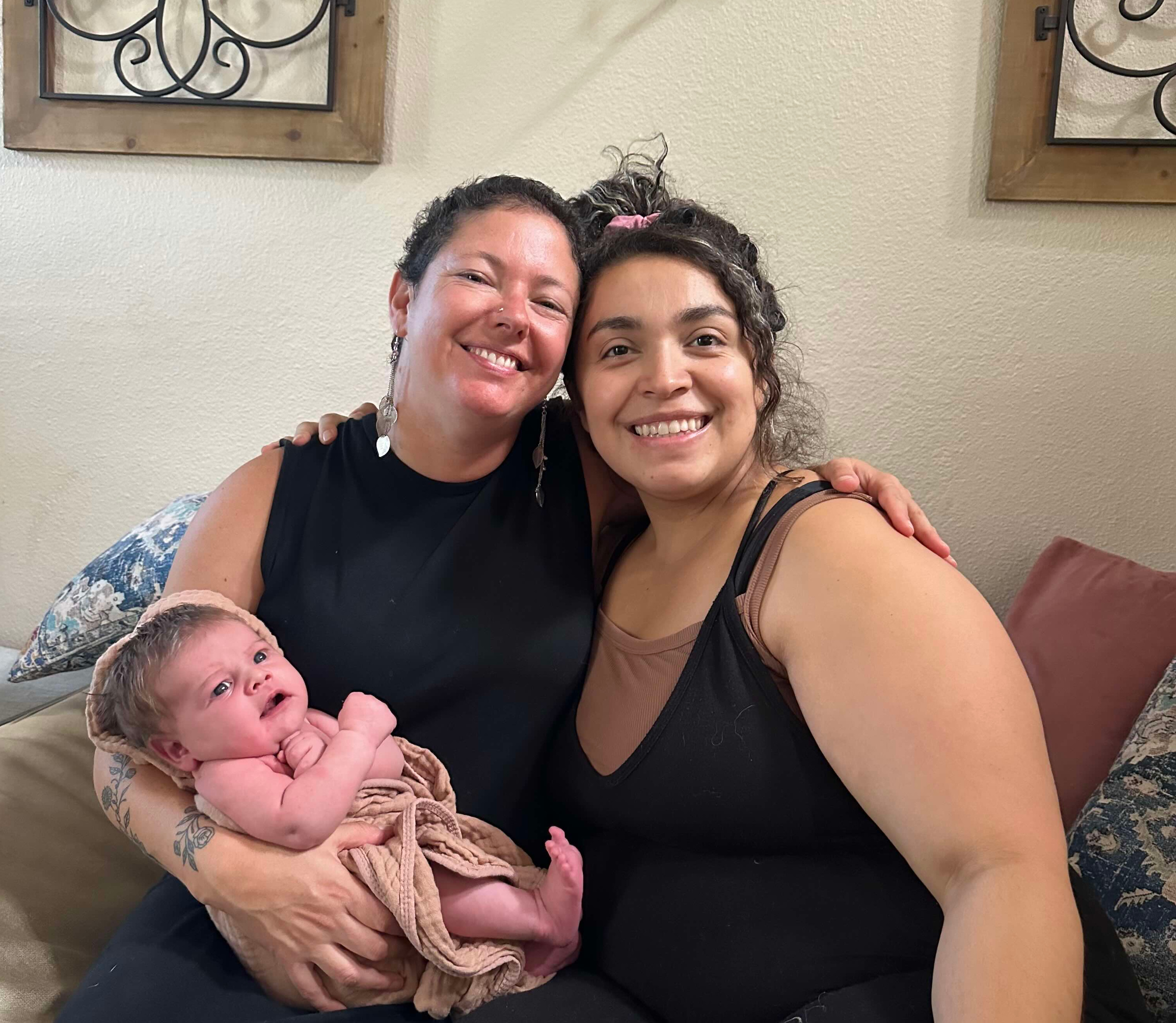
What Is a Midwife?
Midwives and Prenatal Care: What to Expect
Personalized, Holistic Prenatal Visits
Evidence-Based Support & Education
Midwives and Labor & Birth
Midwives and Postpartum Care
How Midwifery Care Is Different (and Why That Matters)
Midwifery care emphasizes listening to you and teaching you about your body and pregnancy — instead of just performing quick checks.
Studies and professional organizations consistently show that midwifery care — especially for low-risk pregnancies — is associated with fewer unnecessary interventions, such as inductions and cesarean births, compared with standard obstetric care alone.
With many midwifery practices, you may see the same provider or small team throughout your pregnancy, labor, and postpartum period — fostering trust and continuity.Is Midwifery Right for You?